PaycraftSol.com Scam Review— A Risky Platform
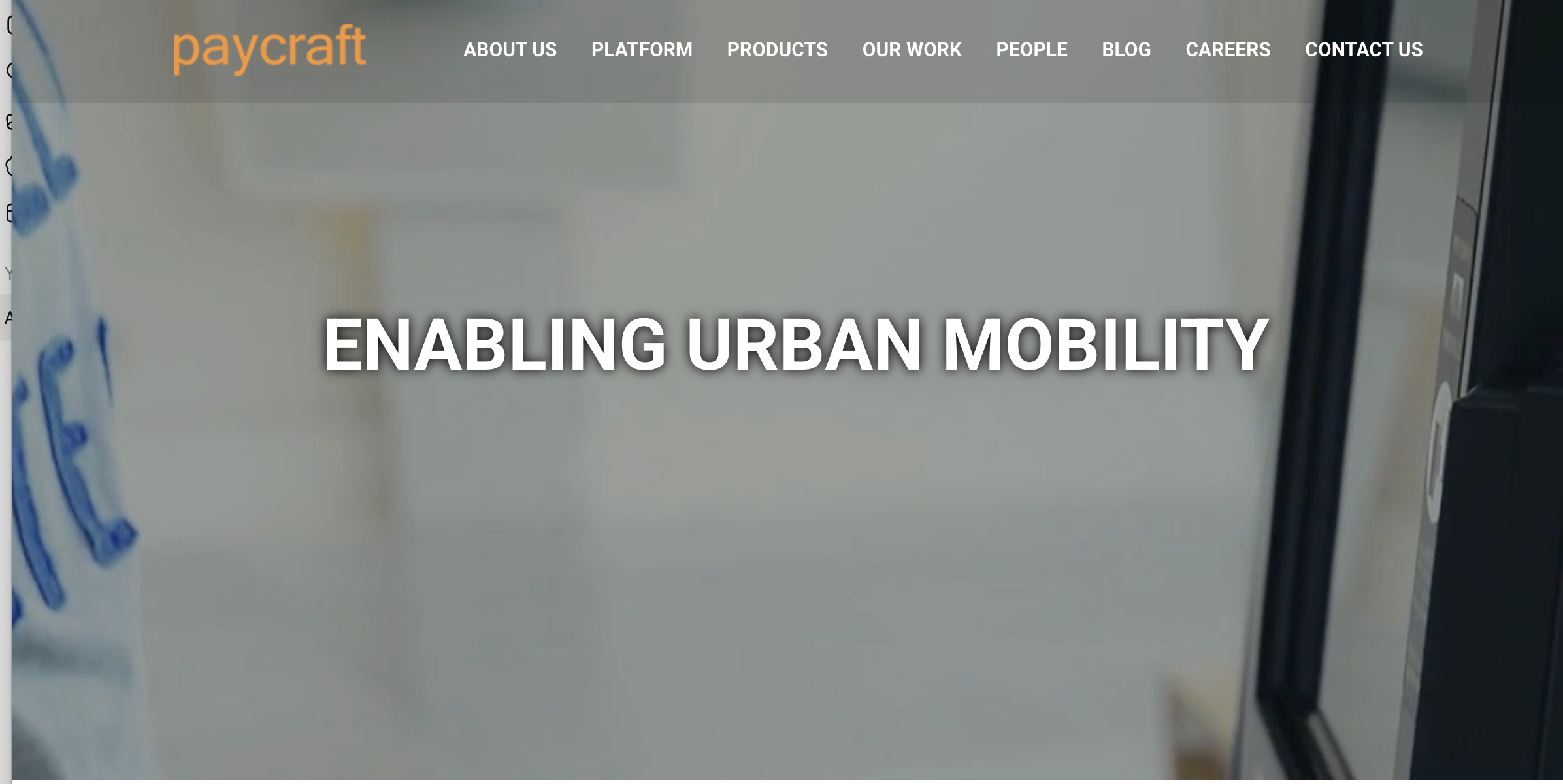
On the surface, PaycraftSol presents itself as a modern payments and card-management solutions provider, offering a variety of payment tools, NFC solutions, mobility-cards and acquiring services — a web of features that can appear legitimate and attractive. However, a deeper look reveals a number of worrying signs: ambiguous business promises, little evidence of independent verification or user feedback, structural opacity, and a general lack of transparency that — combined — raise serious doubts about its legitimacy. It may not be a safe service for anyone intending to process payments, store value, or trust the platform with funds.
1. What PaycraftSol Claims — and Why That Sounds Attractive
PaycraftSol markets itself as a full-stack payment solution provider: handling both physical and digital payments, issuing prepaid or debit cards, enabling NFC and contactless payments, supporting acquiring solutions for merchants, offering mobility- and transit-cards, and integrating with banks or businesses seeking payment infrastructure. That kind of wide scope can seem appealing to merchants, businesses, or individuals looking for a “one-stop shop” for payment and card services.
From a marketing perspective — especially to someone unfamiliar with payment-system due diligence — such a multi-service description can signal sophistication, stability, and technical capability: a platform capable of scaling, flexible enough to cover many payment use-cases, and backed by experienced operations. These are exactly the kind of promises that attract clients who want convenience, speed, and modern payment options — which makes PaycraftSol’s presentation seem plausible.
But precisely because the promise list is long and broad, it can also be easier for a fraudulent or sketchy operator to hide behind. When a platform claims to do “everything,” there are many moving parts — and many opportunities to obscure failures, delays, or shady practices.
2. Lack of Verifiable External Trust Signals
A solid payment or fintech platform typically shows visible signs of legitimacy: external reviews, user testimonials, independent audit reports, partner banks or recognized regulatory registrations, evidence of transaction history, public reputation, etc. In the case of PaycraftSol, these signals are absent or very weak.
A recent thread on a public forum discussed whether PaycraftSol is “scam or legit.” But rather than showing concrete user experiences, withdrawals, or payment success stories, the thread largely recites the company’s own marketing claims (acquiring solutions, NFC payments, card-management, etc.) — not independent proof that funds were moved, transactions completed, or real clients served. This lack of genuine, verifiable user feedback or community endorsement is a major red flag.
When a payment platform tries to rely almost entirely on its own word — without external validation — there’s a high risk that it may not deliver when it matters. Without independent trust, you’re forced to bet on their promises alone.
3. Opacity in Corporate and Operational Transparency
On the surface, PaycraftSol does provide a business address: offices listed in major Indian cities with a corporate address for “PayCraft Solutions Private Limited.” On paper, that suggests it’s a legally registered entity, perhaps giving some façade of authenticity.
But a physical address alone is not adequate for trust. What remains unclear — and concerning — is the absence of independent audit, regulatory licensing or public track record. There are no visible license numbers, regulatory disclosures, or publicly available compliance documents. For a platform that claims to handle financial transactions, cards, and payment infrastructure — operations that typically require strong oversight — the lack of transparency about licensing or regulatory status is alarming.
Moreover, there is no public body of user reviews or payment-proofs showing successful transactions, withdrawals, or real-world usage by merchants or individuals. A legitimate payment processor would usually show case studies, testimonials, or merchant partners. The absence of such evidence means the claims remain untested beyond marketing.
4. Red Flags Based on Typical Scam / Fraud Indicators
When evaluating online payment or investment platforms, certain warning signals tend to repeat across fraudulent setups. PaycraftSol triggers several of those:
• Broad, vague promises without concrete proof
The service description covers many features — card-issuance, contactless payments, acquiring, offline/online transactions — but there’s almost no publicly verifiable case of the company actually executing those services.
• Heavy reliance on marketing language, lack of independent verification
Much of what’s visible about PaycraftSol online seems to be self-described promotional text. Without independent reviews, audits or third-party verification, you’re effectively asked to take the marketing at face value.
• Lack of transparent, public user feedback or reputational history
For a payment processor, clients often share their experiences online — about ease of payment, withdrawal, service quality. But there is almost no record of such feedback for PaycraftSol.
• Difficulty verifying legitimacy beyond registered office address
Though the company lists a real address, there is no indication of recognized licensing, financial regulator oversight, or consumer-protections that payment services normally follow.
• A pattern similar to known “advance-fee / payment-promise” scams
In schemes where users are asked to pay in advance — for account activation, card issuance, or a “service fee” — only to later be blocked from withdrawing or receiving services, the operator reduces their risk while collecting money. When a payment-service claims to provide “card issuance, acquiring switch, global payment infrastructure” and yet lacks public transaction proofs or reputational trail, it raises concern the model may be similar: asking users to deposit or pay fees but never delivering real value.
5. Why This Matters — Real Risk for Users
For individuals or businesses considering PaycraftSol, the risks are significant:
-
Funds or payments may be withheld or lost. Without trust or a track record of successful transactions, there is no guarantee that deposits, card prepayments, or transaction funds will ever be processed or credited as promised.
-
No clear recourse in case of issues. If something goes wrong — failed cards, lost funds, failed transactions — lack of regulatory oversight or public accountability can make recovery extremely difficult or impossible.
-
Exposure to identity or security risks. Payment platforms handle sensitive data and often require KYC or identity verification. Entrusting personal or financial data to an opaque platform raises risks of data misuse or leaks.
-
False sense of legitimacy creates complacency. Because the website looks professional, has a real office address, and lists many services, users might let their guard down — precisely what fraudsters count on.
6. What a Legitimate Payment/Finance Platform Would Typically Provide
To contrast, a genuine payment service provider — especially one offering card issuance, acquiring services, or payment switching — usually exhibits the following traits:
-
Public licensing by a recognized financial regulator (or bank-partner disclosure).
-
Independent reviews or testimonials by real users or merchants.
-
Transparent terms of service, fee schedule, withdrawal/deposit policy.
-
Demonstrable transaction history or case studies: merchants who use it, payments processed, payment success rates.
-
Professional compliance with financial-service norms, data security, and user protection policies.
PaycraftSol lacks most of these signposts.
7. The Psychology & Mechanics Behind Why Such Platforms Exist (And Attract Victims)
Fraudulent payment platforms tend to rely on three behavioral/psychological mechanics to attract and deceive:
-
Broad, attractive promises — by offering a suite of high-demand services (cards, payments, digital + offline payments, mobility solutions), they tap into the aspirations of small businesses, freelancers, or individuals seeking easy payment solutions.
-
Professional-looking presentation — modern website design, detailed service descriptions, real-sounding corporate addresses. These create a false aura of credibility.
-
Lack of scrutiny / oversight from clients — many users, especially in countries where regulation of fintech or payment services is weak or unclear, don’t have the habit or means to verify license numbers or audit records. Fraudsters exploit that gap.
For victims, the lure is often convenience, speed, and hope — all of which can override caution, especially when the alternative (traditional banking or payment processors) seems slow or expensive.
8. What to Do Instead — Safer Approaches to Payment & Fintech
If you are seeking payment, card, or fintech solutions, consider these safer practices:
-
Use well-known platforms with clear reputation and audit history.
-
Verify licensing or regulation status before committing funds or data.
-
Insist on evidence: payment proofs, real merchant reviews, visible transactions, and transparent fee/terms schedules.
-
Avoid platforms that demand upfront payments for “activation,” “card issuance,” or promise unrealistic all-in-one services.
-
Treat any new or obscure payment platform with caution — especially if they show many features but little public track record.
By prioritizing transparency, accountability, and verifiable history, you significantly reduce the risk of falling victim to scams.
9. Conclusion — Why PaycraftSol Raises Too Many Warnings
While PaycraftSol website and marketing could easily attract users seeking modern payment solutions, the lack of independent verification, public reputation, audit or licensing details, and transparent user feedback means that using the platform carries unacceptably high risk. The long list of claimed services may serve more as a cloak for opacity than proof of capacity.
In the current environment — where online payment and fintech scams are widespread — trusting a platform merely because it looks professional is a gamble. With PaycraftSol, the stakes appear too high. Until there is concrete evidence of successful transactions, satisfied users, or public audit/regulatory compliance — treat the platform as high-risk.
-
Report PaycraftSol and Recover Your Funds.
If you have fallen victim to PaycraftSol and lost money, it is crucial to take immediate action. We recommend Report the scam to BOREOAKLTD.COM , a reputable platform dedicated to assisting victims in recovering their stolen funds. The sooner you act, the greater your chances of reclaiming your money and holding these fraudsters accountable.
Scam brokers like PaycraftSol persistently target unsuspecting investors. To safeguard yourself and others from financial fraud, stay informed, avoid unregulated platforms, and report scams to protect. Your vigilance can make a difference in the fight against financial deception.