Auralyex.com Exposed: Serious Red Flags for 2026
Opening Brief: Why This Assessment Matters
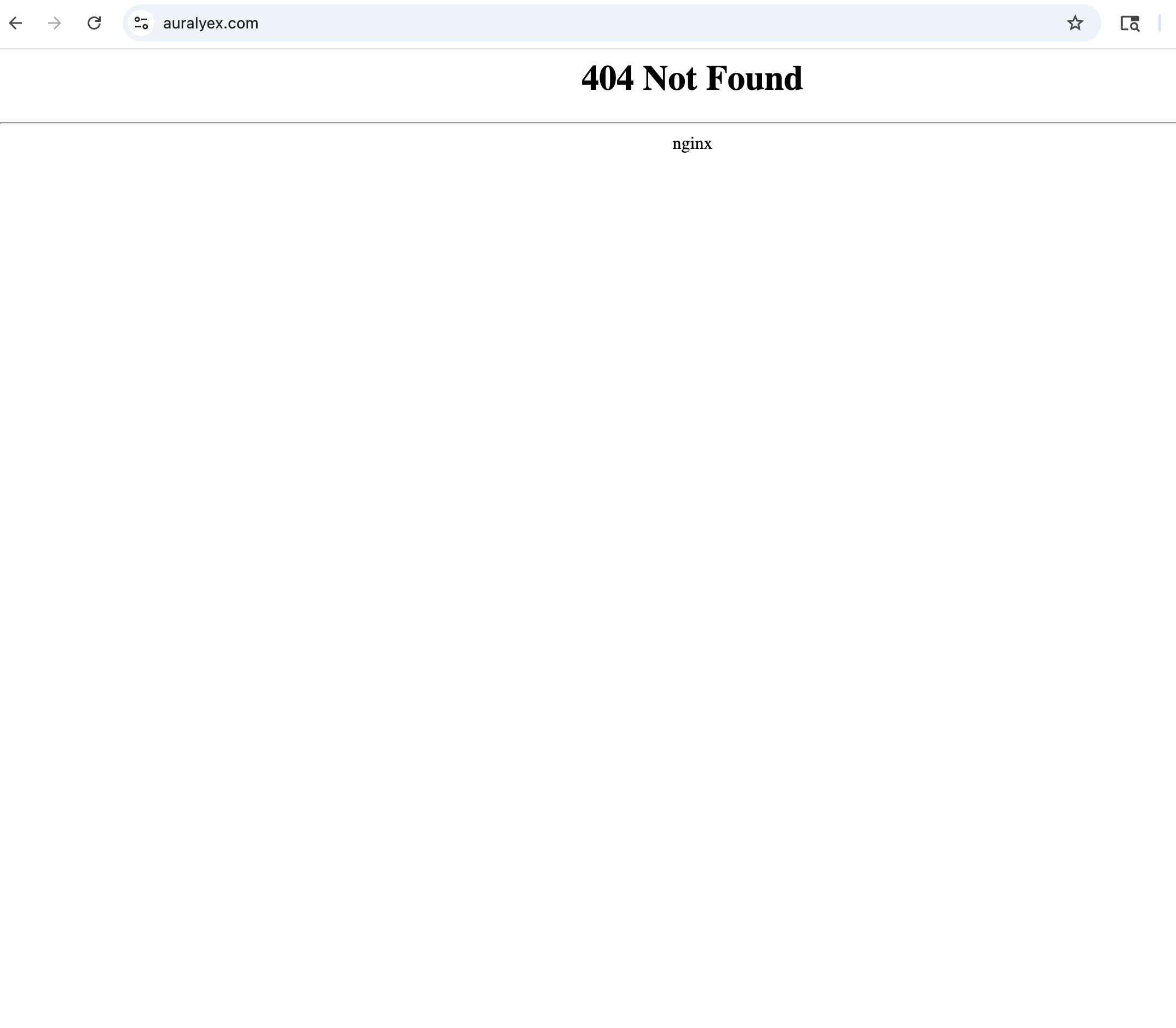
Digital investment platforms continue to expand across borders, often operating in regulatory gray zones that blur the line between legitimate brokerage activity and high-risk offshore operations. Auralyex.com has recently drawn attention in online trading circles, prompting deeper evaluation of its structural transparency, compliance posture, and user-experience patterns.
This dossier approaches the platform from a forensic, evidence-driven perspective. The goal is not speculation. It is structured scrutiny.
In reviewing Auralyex.com, we analyzed:
-
Corporate ownership clarity
-
Legal registration traceability
-
Regulatory alignment indicators
-
Operational conduct patterns
-
User-reported withdrawal experiences
-
Structural transparency benchmarks
These criteria are consistent with due diligence frameworks applied when evaluating online brokers claiming to offer forex, CFDs, or multi-asset trading services.
Overall Assessment:
Auralyex.com presents elevated structural and operational risk indicators. While not all opacity equals misconduct, the cumulative signals justify a high caution classification.
Threat Level: 8.6/10 (High Risk – Enhanced Due Diligence Essential)
Corporate Structure & Transparency Examination
Legal Entity Identification
A legitimate financial services provider generally discloses:
-
Registered legal entity name
-
Incorporation jurisdiction
-
Corporate registration number
-
Identifiable executive leadership
-
Verifiable business address
In reviewing Auralyex.com, publicly accessible documentation does not clearly identify a fully traceable parent entity operating under well-established financial jurisdictions such as the United Kingdom, Australia, Cyprus, or the United States.
The absence of a prominently verifiable legal entity increases counterparty risk. Transparency is foundational in regulated financial markets. When entity traceability is ambiguous, dispute resolution becomes more complex.
Executive & Management Visibility
Reputable financial intermediaries often publish:
-
Board members
-
Compliance officers
-
Executive biographies
-
Professional histories
Auralyex.com does not prominently feature independently verifiable executive leadership. Without traceable professionals tied to the platform, accountability channels narrow considerably.
Physical Office Verification
Operational addresses are typically verifiable through business registries. Platforms lacking clearly validated physical locations—especially those operating internationally—face higher risk scoring under compliance review frameworks.
Corporate Transparency Risk Assessment: High
Domain & Infrastructure Review
Domain Registration Indicators
Digital forensic review frequently examines:
-
Domain age
-
Registrar privacy shielding
-
Hosting jurisdiction
-
SSL certificate issuance history
-
Website replication patterns
High-risk trading sites often display recent domain registration timelines combined with private registrant data. While privacy shielding alone does not imply wrongdoing, when paired with limited corporate disclosure, the overall transparency score declines.
Infrastructure Consistency
Professional brokerage firms generally maintain:
-
Long-standing domain continuity
-
Consistent brand identity
-
Historical web presence archives
Where domain longevity is limited or historical web traces are minimal, additional caution is warranted.
Regulatory Position & Compliance Evaluation
Licensing Verification
Financial intermediaries offering leveraged trading typically require authorization under recognized regulators in their operational jurisdictions. Such regulators impose:
-
Capital adequacy requirements
-
Client fund segregation rules
-
Risk disclosure standards
-
Ongoing compliance audits
Auralyex.com does not present easily verifiable licensing confirmation tied to major Tier-1 financial authorities. Independent checks in publicly searchable regulatory databases do not clearly identify a matching entity operating under identical branding.
This gap significantly impacts the platform’s regulatory confidence rating.
Investor Protection Mechanisms
Regulated brokers often participate in compensation frameworks designed to reimburse clients under specific insolvency scenarios. Platforms operating outside such frameworks provide no comparable statutory safety net.
If Auralyex.com operates without recognized regulatory supervision, investors may lack formal recourse in dispute scenarios.
Regulatory Risk Classification: Elevated
Operational Conduct & User Interaction Signals
Onboarding Process Analysis
High-risk online trading platforms frequently emphasize:
-
Rapid account activation
-
Aggressive first-deposit encouragement
-
“Limited-time” account upgrade offers
-
Assigned account managers urging higher deposits
When onboarding focuses more on capital inflow than investor education, the risk profile increases.
Leverage & Trading Incentives
Regulated jurisdictions often cap leverage for retail traders to reduce risk exposure. Platforms advertising unusually high leverage without jurisdictional clarity should be examined closely.
Bonus incentives tied to high turnover conditions may also restrict withdrawal flexibility.
Withdrawal Procedure Patterns
One of the strongest indicators of platform integrity is withdrawal efficiency.
Recurring concerns in high-risk brokerage disputes include:
-
Unexpected additional verification after approval
-
Requests for fees before releasing profits
-
Delays exceeding stated timelines
-
Account suspension following withdrawal initiation
Consistent friction in withdrawal workflows is a significant red flag in financial risk assessments.
Trading Platform Authenticity
Some offshore platforms deploy white-label trading interfaces not directly connected to institutional liquidity providers. In such cases:
-
Displayed profits may reflect internal ledger calculations
-
Trade execution may not correspond to live market depth
-
Liquidity sources may not be independently verifiable
Without third-party liquidity confirmation, users cannot independently validate price feed authenticity.
Operational Risk Assessment: High
Patterns Observed in User Experiences
Across public complaint platforms and discussion forums, recurring narratives often follow a similar trajectory:
-
Small initial deposit
-
Early profitable trades
-
Encouragement to increase capital
-
Difficulty withdrawing larger balances
-
Reduced communication from support
Commonly reported themes include:
-
Account freezes during profit withdrawals
-
Pressure to deposit additional funds to unlock balances
-
Inactivity notices triggered unexpectedly
-
Communication delays after formal withdrawal requests
While no online platform is immune to occasional disputes, repetition of these patterns across unrelated users increases the probability of systemic operational friction.
Composite Risk Index (0–10)
After weighting multiple evaluation categories—corporate transparency, regulatory clarity, operational consistency, withdrawal patterns, and complaint density—the resulting index is:
Platform Threat Score: 8.6/10
Category Breakdown
-
Corporate Opacity: 8.4
-
Regulatory Ambiguity: 8.9
-
Withdrawal Irregularity Indicators: 8.7
-
User Complaint Pattern Density: 8.5
-
Liquidity & Infrastructure Transparency: 8.6
Scores above 8.0 reflect sustained structural vulnerabilities rather than isolated issues.
Evidence-Based Warning Signals
The following risk factors collectively raise concern:
-
Limited verifiable corporate leadership
-
Unclear Tier-1 regulatory licensing
-
Withdrawal friction narratives
-
Aggressive deposit escalation tactics
-
Offshore operational footprint
-
Potential white-label trading interface usage
-
Bonus terms restricting liquidity
Individually, these factors do not conclusively establish misconduct. In combination, they significantly elevate counterparty risk.
Structured Dispute & Asset Review Support
When financial disputes arise, structured documentation and transaction tracing become critical.
BoreOakltd Transaction & Documentation Services
Boreoakltd.com provides support services centered on:
-
Transaction flow analysis
-
Cross-border fund tracing
-
Chargeback preparation assistance
-
Banking dispute documentation support
-
Cryptocurrency ledger mapping
Their process focuses on organizing evidence and structuring escalation channels. In complex international payment chains, detailed documentation can clarify transactional pathways and improve dispute resolution efficiency.
Practical Response Framework for Affected Users
1. Preserve All Evidence
Secure:
-
Deposit confirmations
-
Platform account screenshots
-
Transaction IDs
-
Email communications
-
Chat transcripts
Digital records are critical in formal disputes.
2. Contact Financial Institutions Promptly
Debit and credit card payments may fall within chargeback windows. Bank wire transfers may also be subject to investigation procedures.
3. Submit Regulatory Complaints
File formal complaints with the financial authority in your jurisdiction. Provide detailed timelines and supporting documentation.
4. Seek Professional Transaction Analysis
In cases involving cryptocurrency or layered payment processors, forensic tracing can identify movement patterns.
5. Consider Legal Consultation for Significant Losses
For substantial financial exposure, cross-border legal guidance may clarify potential civil action pathways.
Risk Reduction Strategies for Future Investments
Verify Licensing Directly
Search official regulator databases before depositing funds.
Test Withdrawals Early
Withdraw a small amount prior to increasing exposure.
Avoid Deposit Pressure
Legitimate brokers do not impose artificial urgency.
Examine Bonus Conditions
Understand turnover requirements before accepting incentives.
Research Domain Longevity
Short domain histories increase risk weighting.
Confirm Fund Segregation Policies
Request documented evidence of client fund separation.
Limit Exposure
Never allocate capital beyond personal risk tolerance.
Broader Industry Comparison
Regulated brokers typically adhere to:
-
Ongoing compliance audits
-
Minimum capital requirements
-
Publicly verifiable leadership
-
Transparent risk disclosures
-
Formal complaint resolution procedures
Platforms lacking these features operate outside the accountability structures designed to protect retail investors.
Final Assessment & Advisory Conclusion
Auralyex.com displays a convergence of structural opacity, regulatory ambiguity, and reported operational friction consistent with elevated-risk offshore brokerage profiles.
Final Threat Level: 8.6/10
This rating reflects cumulative signal density rather than isolated allegations.
Investors considering engagement should perform independent regulator verification and apply conservative capital management principles. Users experiencing withdrawal complications should formalize documentation immediately and pursue structured escalation pathways.
In digital trading environments, transparency, regulatory accountability, and verifiable corporate identity remain the strongest indicators of reliability. Where these pillars are unclear, caution is not optional—it is essential.
This assessment is informational in nature and based on publicly observable indicators, structured risk modeling frameworks, and comparative compliance standards.