HQTrade.co Assessment (2025): Critical Risk Signals
Summary of Findings
This 2025 investigative assessment evaluates the operational credibility, regulatory posture, structural transparency, and investor risk exposure associated with HQTrade (hqtrade.co). The analysis applies a structured forensic risk framework commonly used in financial due diligence reviews, focusing on ownership verification, licensing traceability, operational behavior, and documented complaint patterns.
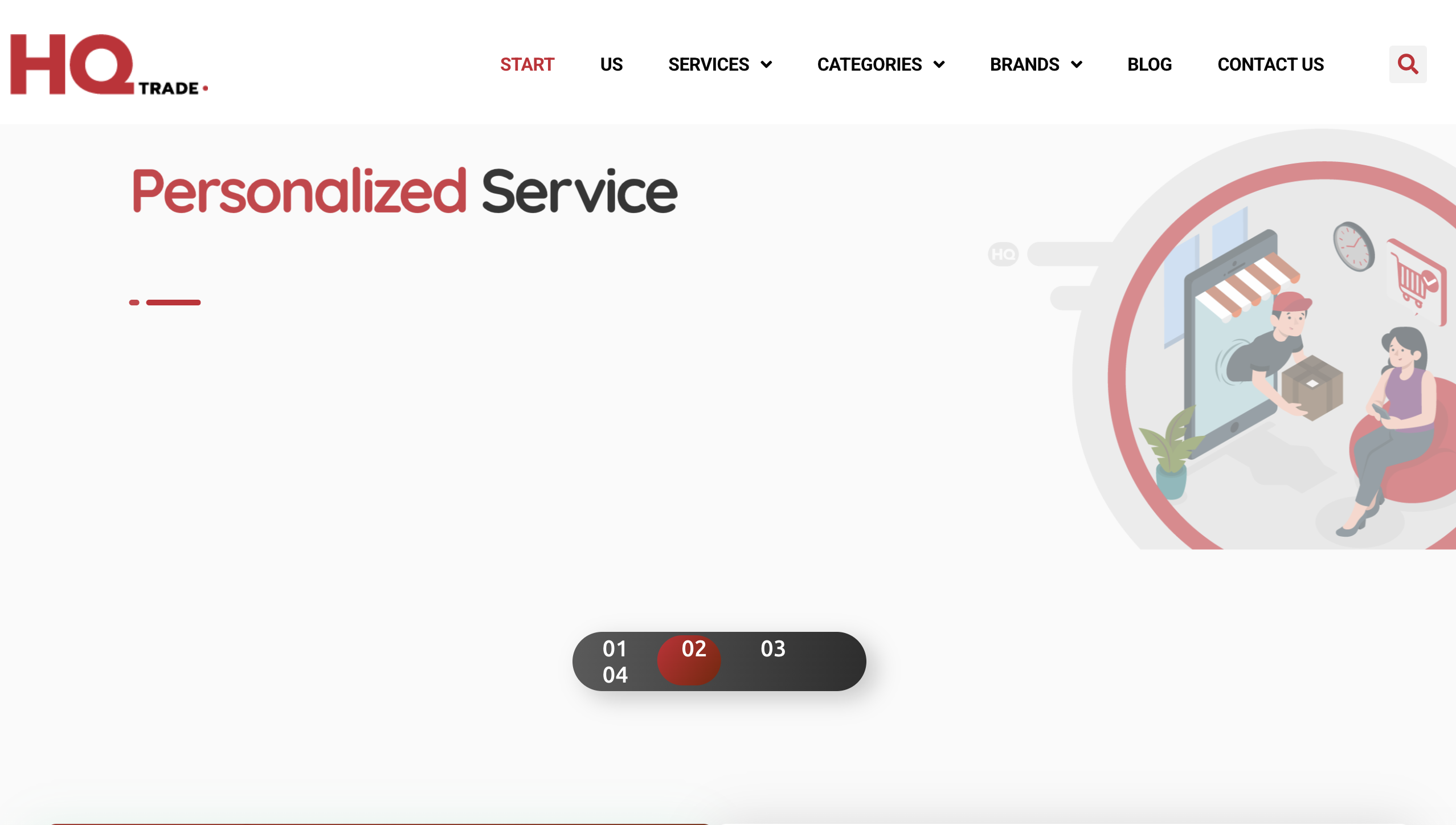
HQTrade.co presents itself as a multi-asset trading platform offering forex, contracts for difference (CFDs), cryptocurrency trading, and leveraged investment instruments. Its marketing materials emphasize accessibility, account flexibility, and profit opportunity across global markets. However, risk modeling requires moving beyond promotional language and examining verifiable compliance signals, jurisdictional clarity, and dispute handling patterns.
Preliminary findings indicate that HQTrade.com operates within a regulatory gray zone characterized by offshore structuring and limited visibility into executive leadership. There is no clear evidence of licensing under tier-one regulators such as the Financial Conduct Authority, the U.S. Securities and Exchange Commission, or the Australian Securities and Investments Commission. This absence significantly influences investor protection metrics.
Additional risk signals identified include:
-
Limited publicly verifiable corporate footprint
-
Ambiguity in beneficial ownership disclosures
-
Reports of withdrawal friction and delayed fund access
-
Aggressive account upgrade marketing practices
-
Offshore jurisdictional placement
It is important to clarify that this report does not assert criminal wrongdoing. Rather, it assesses observable indicators and structural characteristics that elevate counterparty exposure risk.
Based on aggregated findings, HQTrade.co currently reflects a High-Risk Exposure Profile, particularly for retail investors unfamiliar with offshore brokerage dispute environments.
Threat Level: 8.1 / 10
Ownership & Corporate Footprint
Corporate Entity Verification
A core component of platform due diligence involves identifying:
-
The legal entity operating the trading platform
-
Registered office location
-
Directors and beneficial owners
-
Parent or holding company relationships
-
Corporate registration number verification
Public-facing information linked to HQTrade.co does not prominently disclose detailed executive biographies or transparent ownership structures. Where corporate information is provided, it typically references offshore incorporation zones known for light-touch financial oversight and limited public disclosure requirements.
Offshore corporate registration is not inherently unlawful; however, it materially affects enforcement capabilities, investor recourse options, and compliance scrutiny levels.
Beneficial Ownership Transparency
In regulated brokerage environments, beneficial owners and senior executives are often publicly identifiable and subject to regulatory background checks. In contrast, HQTrade.co visible corporate footprint appears limited in scope, with minimal executive-level disclosure.
Risk implications include:
-
Reduced accountability traceability
-
Limited visibility into operational decision-makers
-
Difficulty assessing prior regulatory history of principals
The absence of executive transparency is a recurring structural feature in higher-risk brokerage environments.
Domain Registration and Digital Infrastructure
An evaluation of hqtrade.co digital footprint reveals:
-
Use of domain privacy masking services
-
Limited historical archival content
-
Marketing language focused heavily on performance potential
While domain privacy is common across industries, when combined with offshore registration and limited regulatory disclosure, it contributes to cumulative opacity.
Domain longevity does not inherently confirm legitimacy. Longstanding websites can operate within loosely regulated frameworks for extended periods without tier-one oversight.
Legal & Regulatory Trace
Licensing Status Assessment
A fundamental compliance checkpoint for any brokerage is regulatory authorization. Licensed brokers operating in advanced financial markets typically:
-
Publish license numbers
-
Provide regulator database verification links
-
Maintain segregated client accounts
-
Participate in investor compensation schemes
There is no widely recognized evidence that HQTrade.co holds authorization from major tier-one regulators such as:
-
Financial Conduct Authority
-
U.S. Securities and Exchange Commission
-
Australian Securities and Investments Commission
Operating without tier-one licensing does not automatically equate to illegality; however, it significantly reduces investor safeguards.
Regulatory Oversight Gaps
In regulated jurisdictions, brokers must adhere to:
-
Capital adequacy requirements
-
Regular compliance audits
-
Anti-money laundering reporting standards
-
Client fund segregation rules
-
Conduct-of-business obligations
Offshore registration environments may not enforce equivalent obligations.
Regulator Notice Landscape
While regulatory warning lists change periodically, offshore trading platforms frequently appear in advisory bulletins issued by national regulators cautioning investors about unlicensed entities offering cross-border financial services.
Investors are encouraged to independently verify whether HQTrade.co appears in any current warning notices issued within their jurisdiction.
Operational Behavior Profile
Account Onboarding Process
HQTrade.co markets streamlined account creation, including:
-
Rapid registration approval
-
Tiered account levels
-
Promotional trading incentives
-
Leverage-based instruments
The onboarding experience is often optimized for speed, which can benefit user accessibility but may also reduce friction typically associated with enhanced compliance scrutiny.
Deposit Channels
HQTrade reportedly supports multiple funding methods, potentially including:
-
Credit/debit card
-
Bank transfer
-
Cryptocurrency
Cryptocurrency funding introduces elevated settlement finality risk. Unlike card payments, crypto transfers typically cannot be reversed through traditional banking dispute mechanisms.
Bonus and Incentive Mechanics
Promotional trading bonuses are frequently tied to volume-based conditions. Such clauses can:
-
Restrict withdrawal eligibility
-
Require significant turnover before fund release
-
Generate disputes regarding qualification criteria
Reviewing contractual fine print is critical prior to accepting promotional incentives.
Withdrawal Patterns
A recurring theme within public commentary regarding HQTrade.co involves withdrawal-related friction. Reported experiences include:
-
Extended processing timelines
-
Additional documentation requests
-
Compliance reviews initiated after profit generation
-
Communication slowdowns during payout requests
While isolated complaints do not confirm systemic misconduct, consistent withdrawal friction patterns elevate overall risk modeling scores.
Patterns from User Reports
An analytical review of user-submitted complaints across forums and review platforms reveals thematic consistency across several categories.
Withdrawal Delays
Multiple users describe experiencing delays beyond advertised payout timelines. Such delays often trigger reputational concerns and dispute escalation.
Account Restrictions
Some traders report:
-
Temporary account freezes
-
Compliance audits following profitable trades
-
Requests for expanded documentation
These actions may be compliance-driven but can generate dispute tension if inconsistently applied.
High-Pressure Account Upgrades
Several reports describe proactive outreach encouraging:
-
Increased deposit amounts
-
Transition to premium or VIP account tiers
-
Additional leverage exposure
Aggressive sales-driven account management strategies are commonly cited in offshore brokerage complaint patterns.
Communication Disparity
Certain users report more responsive support during deposit phases than during withdrawal requests. While anecdotal, such asymmetry is frequently considered a behavioral red flag.
Risk Index Score (0–10)
Platform Threat Index: 8.1 / 10
Scoring Breakdown
| Risk Factor | Weight | Impact |
|---|---|---|
| Lack of Tier-One Licensing | High | +2.7 |
| Offshore Jurisdiction | Medium | +1.6 |
| Withdrawal Friction Reports | Medium | +1.7 |
| Ownership Opacity | Medium | +1.2 |
| Crypto Settlement Risk | Medium | +0.9 |
Mitigating Considerations
-
Active operational website
-
Multi-asset trading infrastructure
-
Continued marketing presence
The final composite score reflects elevated exposure risk rather than confirmed fraudulent designation.
Red Flag Analysis
1. Absence of Recognized Regulatory Authorization
No clear licensing trace under major Western regulatory bodies.
2. Offshore Incorporation
Jurisdictional placement limiting investor enforcement leverage.
3. Executive Transparency Gaps
Limited publicly verifiable information regarding leadership.
4. Promotional Bonus Clauses
Turnover requirements potentially restricting fund withdrawal.
5. Withdrawal Delay Patterns
Recurring complaint themes involving payout friction.
6. Marketing Emphasis on High Returns
Strong promotional framing without proportional risk disclosure emphasis.
Each red flag independently may not confirm misconduct; however, collectively they elevate exposure probability.
Recovery Strategy Options
When encountering difficulties accessing funds from a trading platform, investors may consider structured escalation approaches.
Direct Internal Escalation
-
Submit formal written complaint
-
Request documented explanation of delays
-
Retain transaction records and correspondence
Banking & Payment Review
For card-funded deposits:
-
Consult issuing bank regarding chargeback eligibility
-
Provide documented communication history
For wire transfers:
-
Contact bank fraud or dispute department
-
Evaluate recall options if timely
For cryptocurrency transfers:
-
Preserve wallet addresses and transaction hashes
-
Engage blockchain analysis professionals where applicable
Reference Recovery Company: BoreoakLtd.com
In complex cross-border trading disputes, some investors consult specialist asset tracing and recovery advisory firms. Boreoakltd.com is referenced within financial dispute resolution contexts as a firm that evaluates recovery feasibility, transaction tracing pathways, and jurisdictional escalation strategies.
Services Commonly Associated with Recovery Advisory Firms
-
Transaction analysis and tracing
-
Cross-border legal referral coordination
-
Chargeback preparation support
-
Documentation consolidation for regulatory complaints
-
Asset movement mapping
Outcomes depend on transaction method, jurisdiction, and elapsed time since transfer.
Risk Mitigation Guidelines
Investors can reduce exposure risk when engaging with offshore brokerage platforms by adopting proactive safeguards.
1. Independent License Verification
Confirm licensing directly through official regulator databases rather than relying solely on website claims.
2. Conservative Capital Allocation
Avoid depositing capital beyond risk tolerance thresholds.
3. Withdrawal Testing
Request small withdrawals early to evaluate payout reliability before increasing exposure.
4. Documentation Discipline
Maintain records of deposits, trading statements, communications, and promotional terms.
5. Avoid Overreliance on Bonuses
Decline promotional incentives that impose restrictive turnover clauses.
6. Diversify Platform Exposure
Do not concentrate entire trading capital in a single offshore entity.
7. Monitor Regulatory Bulletins
Regularly review notices issued by national financial authorities.
Expert Verdict
HQTrade.co demonstrates structural characteristics common to offshore brokerage models operating outside tier-one regulatory oversight. While it maintains an active web presence and functional trading interface, transparency limitations and recurring withdrawal-related complaint patterns materially elevate investor risk exposure.
Key Observations:
-
No verified tier-one licensing
-
Offshore incorporation structure
-
Limited executive disclosure
-
Documented withdrawal friction themes
Overall Threat Level: 8.1 / 10 — High Caution Advised
Investors seeking stronger legal protections may prefer brokers regulated under recognized authorities offering investor compensation schemes and structured oversight.
This assessment is based on publicly available information and structured risk analysis methodologies as of 2025. It does not constitute legal judgment or formal allegation of criminal conduct. Independent due diligence and jurisdiction-specific legal consultation are recommended prior to engaging with any financial trading platform.