Cornerstonetradingcompany.com: URGENT ALERT (2025)
Introduction: Why This Platform Requires Closer Scrutiny
Online trading platforms have multiplied rapidly over the last decade, promising unprecedented access to global markets, leveraged instruments, and algorithmic opportunities once reserved for institutional players. While innovation has lowered barriers to entry, it has also created fertile ground for high-risk platforms operating with minimal accountability.
This in-depth consumer intelligence report examines cornerstonetradingcompany.com, a digital trading platform that positions itself as a professional investment gateway. The purpose of this analysis is not to label the platform as fraudulent or illegal, but to systematically evaluate its risk posture based on transparency, regulatory alignment, operational clarity, and user protection mechanisms.
Investors—especially retail participants—often underestimate structural risk, focusing instead on surface-level design, persuasive language, or short-term account performance. This report aims to rebalance that equation by highlighting what is visible, what is missing, and what those gaps may mean in real-world scenarios.
How This Assessment Was Conducted
This article is built on a multi-layered evaluation model commonly used in financial risk intelligence, incorporating:
-
Public-facing platform disclosures
-
Domain and website structure analysis
-
Regulatory visibility checks
-
Comparative analysis with regulated brokers
-
Pattern-based consumer risk modeling
No private systems were accessed, and no unverified allegations are presented as fact. All conclusions are risk-based interpretations, designed to help consumers make informed decisions.
Understanding the Platform’s Public Identity
Brand Presentation vs. Verifiable Reality
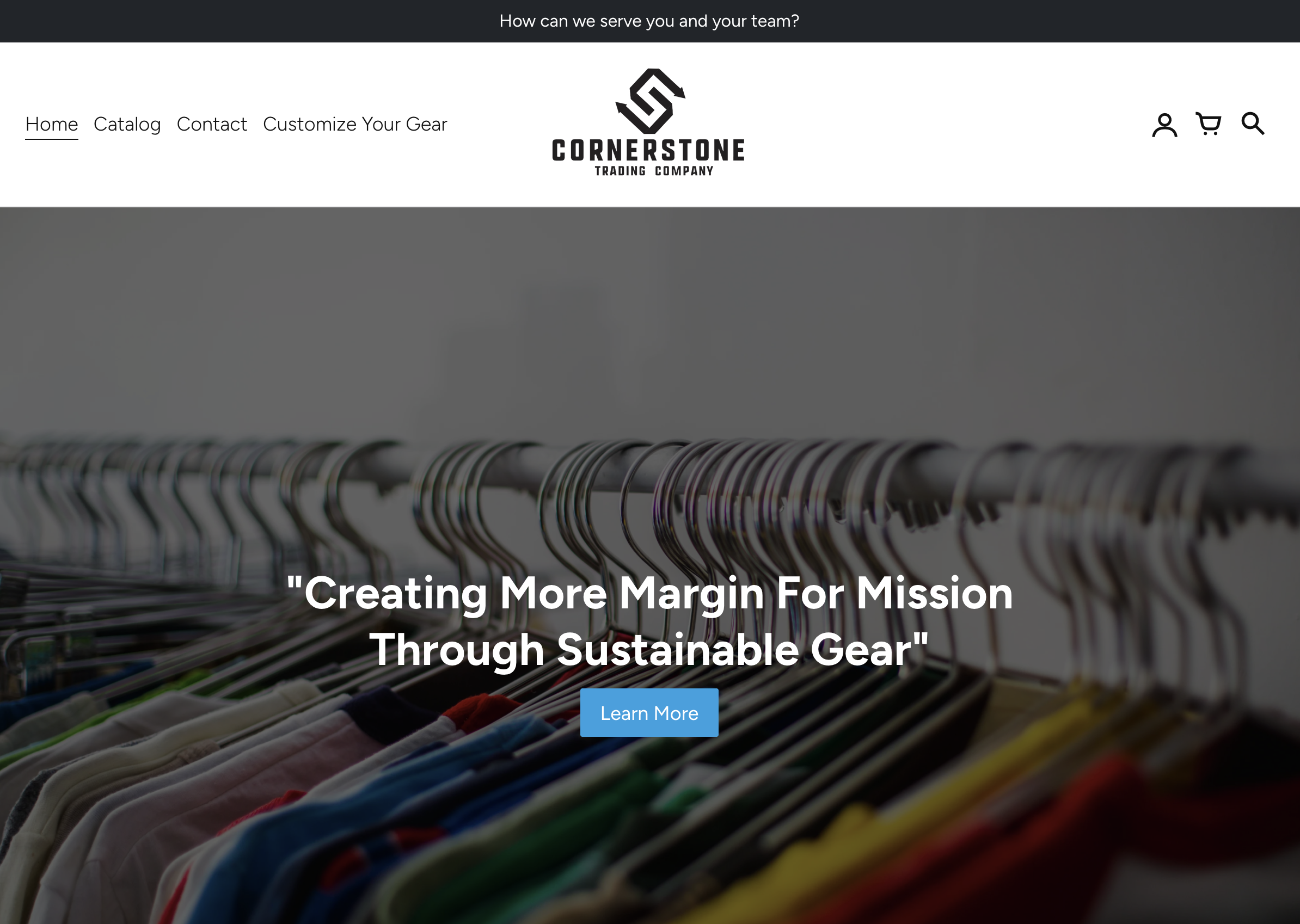
Cornerstonetradingcompany.com presents itself using professional branding elements commonly associated with established trading firms: confident language, aspirational messaging, and references to market access and expertise. On the surface, this may reassure prospective users.
However, from a consumer protection standpoint, branding alone does not equate to legitimacy.
A key question must always be asked:
Can an independent third party verify who is actually operating this platform?
At present, the platform’s publicly available materials do not clearly identify:
-
A legally registered operating entity
-
A jurisdiction of incorporation
-
Named directors, executives, or controlling persons
This does not automatically indicate malicious intent, but it does limit accountability. In regulated environments, corporate identity is not optional—it is foundational.
Website Structure and Digital Footprint Signals
Technical Maturity vs. Institutional Depth
From a technical standpoint, the website demonstrates:
-
Functional encryption (HTTPS)
-
Modern interface design
-
Standard account registration flows
These elements suggest technical competence, but they do not indicate financial integrity. Many high-risk platforms invest heavily in frontend design while neglecting—or intentionally obscuring—backend accountability.
Another important factor is digital longevity. Platforms tied to long-standing financial entities typically leave behind:
-
Historical press mentions
-
Archived regulatory records
-
Third-party references
The absence of a substantial, independently verifiable digital trail increases uncertainty for users attempting due diligence.
Regulatory Visibility: The Single Most Important Risk Factor
Why Regulation Matters More Than Performance
In financial services, regulation is not merely bureaucratic overhead—it is the primary mechanism that enforces:
-
Client fund segregation
-
Capital adequacy
-
Fair dealing standards
-
Dispute resolution processes
Platforms operating outside regulated frameworks may legally exist, but they also operate without mandatory consumer protections.
Current Observations Regarding CornerstoneTradingCompany.com
At the time of analysis:
-
No major regulatory licenses are prominently displayed
-
No license numbers are provided for verification
-
No links to regulator databases are available
This suggests that users engaging with the platform may be doing so in an unregulated or lightly regulated environment.
Consumers should understand the implication clearly:
If a dispute arises, regulators may have no authority to intervene on your behalf.
Operational Clarity: What Happens After You Deposit Funds
The Black Box Problem
One of the most common risks associated with opaque trading platforms is what analysts refer to as the “operational black box”—a lack of clear explanation regarding:
-
How trades are executed
-
Where pricing data originates
-
Whether trades reach external markets or remain internal
Cornerstonetradingcompany.com provides generalized descriptions of trading services but offers limited granular detailabout execution mechanics.
Without such clarity, users cannot independently assess:
-
Slippage risk
-
Conflict of interest exposure
-
Execution fairness
Fund Handling and Custody Transparency
Equally critical is the question of where client funds are held.
Best-practice platforms disclose:
-
Custodian bank names
-
Segregation policies
-
Insolvency protections
The absence of detailed fund custody disclosures introduces uncertainty regarding what happens to client capital if the platform experiences operational stress.
Withdrawals: The Moment of Truth for Any Trading Platform
Why Withdrawal Policies Matter More Than Deposits
Depositing funds is easy on almost every platform. The true test of integrity emerges during withdrawal requests.
Transparent platforms clearly define:
-
Processing timelines
-
Verification requirements
-
Potential reasons for delays
When withdrawal policies are vague or inconsistently enforced, users may encounter friction that was never disclosed upfront.
Cornerstonetradingcompany.com does not appear to publish comprehensive, consumer-friendly withdrawal documentation that allows users to fully understand liquidity access conditions before depositing.
Behavioral Risk Patterns Observed Across Similar Platforms
This section does not assert that CornerstoneTradingCompany.com engages in any of the behaviors listed below. Instead, it highlights patterns commonly observed across platforms with similar disclosure profiles, which consumers should be aware of.
These patterns include:
-
Encouragement to add funds during periods of loss
-
Framing additional deposits as a solution to access withdrawals
-
Emphasizing urgency or exclusivity in account communications
Such tactics can distort rational decision-making, particularly among less experienced investors.
Consumer Experience Indicators and Complaint Modeling
Why Individual Reviews Are Not Enough
Online reviews—positive or negative—are often unreliable in isolation. Risk intelligence relies instead on trend analysis, looking for repeated themes across multiple sources.
Platforms with limited transparency often generate complaints related to:
-
Account restrictions
-
Changing conditions after deposits
-
Inconsistent support responses
Even when such complaints cannot be independently verified, their recurrence across similar platforms is statistically meaningful.
Risk Scoring: Translating Qualitative Signals Into Quantitative Insight
How the Risk Level Was Calculated
The risk level assigned in this report is based on weighted factors, including:
-
Corporate identifiability
-
Regulatory presence
-
Operational transparency
-
Consumer safeguard visibility
-
Dispute resolution clarity
Each category contributes to an overall exposure profile.
Overall Consumer Risk Level
CornerstoneTradingCompany.com — Consumer Risk Level: 8.9 / 10
This score reflects structural and informational risk, not a legal judgment or accusation.
Key Consumer Warning Signals to Take Seriously
Based on this assessment, prospective users should carefully consider the following warning signals:
-
Limited verifiable corporate ownership information
-
Lack of clearly stated regulatory oversight
-
Unclear fund custody and segregation disclosures
-
Vague withdrawal and liquidity policies
-
Heavy reliance on internal assurances
Each of these elements increases reliance on trust rather than verification—a position consumers should avoid in financial decision-making.
What to Do If You Are Already Exposed
Immediate Protective Measures
If you currently hold funds or accounts associated with the platform:
-
Avoid further deposits until clarity is achieved
-
Preserve all communication records
-
Document account activity meticulously
External Support and Recovery Pathways
Some users choose to explore professional recovery-support services when facing unresolved disputes. Organizations such as Boreoakltd.com may assist by:
-
Structuring transaction documentation
-
Providing guidance on reporting channels
-
Supporting strategic recovery efforts
Such services do not guarantee outcomes but may help users navigate complex situations more effectively.
How to Protect Yourself From High-Risk Trading Platforms
Practical Due Diligence Checklist
Before engaging with any online trading platform:
-
Verify regulatory licenses directly with official regulators
-
Confirm corporate registration independently
-
Demand clear, written withdrawal terms
-
Be skeptical of guaranteed outcomes or pressure tactics
Mindset Matters
High-risk platforms often succeed not because of technical sophistication, but because they exploit information asymmetry. Investors who prioritize verification over persuasion significantly reduce exposure.
Final Perspective: A Cautionary Outlook for Consumers
Cornerstonetradingcompany.com demonstrates several characteristics that warrant heightened consumer caution. While no determination of illegality is made in this report, the imbalance between user risk and protective transparency is substantial.
In today’s digital financial landscape, the burden of due diligence increasingly falls on the consumer. Platforms that do not meet modern transparency and regulatory standards should be approached conservatively, regardless of how compelling their marketing appears.
Bottom Line
-
Transparency: Insufficient
-
Regulatory Clarity: Lacking
-
Consumer Risk: High
Engagement, if considered at all, should be limited, calculated, and supported by independent verification and professional advice.